


The Alleged Jane Street
10 AM Bitcoin Dump
For months, crypto traders noticed a frustrating pattern. Just as U.S. markets opened each morning, at 10 AM Bitcoin would frequently sell off. Rallies stalled, leveraged longs were liquidated, and charts turned red.
Traders started getting suspicious.
At first, it just sounded like another crypto conspiracy. But in late February 2026, a major lawsuit was filed against one of Wall Street’s largest quantitative trading firms, Jane Street. Almost immediately after the news broke, the daily 10 AM sell offs stopped. and Bitcoin surged past $68,000 and added over $100 billion in market capitalization.
Now, this could be a coincidence, whoever was orchestrating this may have simply stopped at the same time.
But to many retail traders, that timing felt like much more than just coincidence.
So what actually happened?
What was this 10 AM Dump?
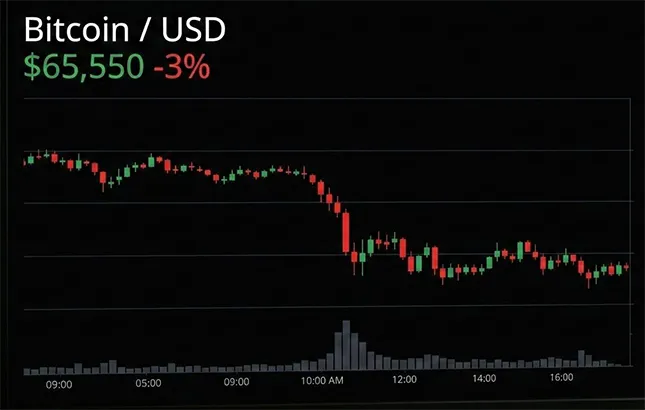
From late 2025 into early 2026, Bitcoin experienced repeated sharp sell offs around 10:00 AM EST. The timing was consistent enough to stand out. This is 30 minutes after U.S. stock & equity markets open, when liquidity expands and institutions really start trading.
People noticed that the 10 AM moves were often forceful enough to push price through key support levels within minutes. Which would trigger stop losses and liquidations, especially in a market heavy with leverage. Retail traders began speculating that a large algorithmic desk was deliberately pressing the market at the same time each day.
Based on trader observations, the 10 AM sell off reportedly occurred on trading days from November 2025 through February 2026.
That’s 70-80 business days of a 10 AM dump.

But why has Jane Street became the prime suspect?
Because Jane Street is a market maker with enormous balance sheet capacity and a significant role in Bitcoin liquidity. Given its size and trading sophistication, online speculation quickly centered on firms, it was one of the possibilities.
However, the narrative escalated on February 23, 2026 when bankruptcy administrators for Terraform Labs filed a lawsuit accusing Jane Street of insider trading during the 2022 Terra/LUNA collapse. The suit alleges the firm used advance knowledge of liquidity movements to exit $85 million in UST shortly before the ecosystem imploded.
Jane Street denied the allegations, calling the lawsuit an attempt to shift blame for Terraform’s own collapse.
But what caught the crypto community’s attention was timing. The same day the lawsuit made headlines, the recurring 10 AM Bitcoin dumps stopped.
For traders who had been tracking the pattern for months, that sequence felt suspicious.
The theory behind this deliberate suppression is not emotional, it’s a mechanical money making process.

One strategy involves liquidity sweeps. Crypto markets are highly leveraged. If a large holder sells aggressively enough to push price below key support levels, it can trigger cascading stop losses and forced liquidations. As retail traders are liquidated, price falls further. The institution can then repurchase the same amount of Bitcoin at a lower price, keeping its overall holdings intact while capturing the difference.
Another strategy operates through shorting. A firm can establish a substantial short position before initiating heavy spot selling. If the price drops sharply, gains from the short position may exceed any slippage or cost incurred from selling physical Bitcoin.
In theory, when these two strategies are combined, you have a very efficient scalping method at a very large scale.
So is it a coincidence, was it solely Jane Street or were there others involved?
The lawsuit against Jane Street remains unproven. The firm denies wrongdoing. No regulatory finding has linked it to coordinated Bitcoin suppression.
Yet this episode highlights something deeper about modern markets. Bitcoin is no longer a fringe asset trading in isolation. It is intertwined with big institutional money. Derivatives desks, high frequency firms, and global capital. Price movements that once seemed organic now reflect complex institutional plumbing.
The 10 AM Dump may have been predatory volatility harvesting from Jane Street. It may have been mechanical AI trading from many institutions. It may have been a mix of both.
These institutions are built to find and exploit market inefficiencies. The debate is not whether they pursue advantage, but whether the methods are acceptable and transparent.
And many in the broader crypto community think not.