

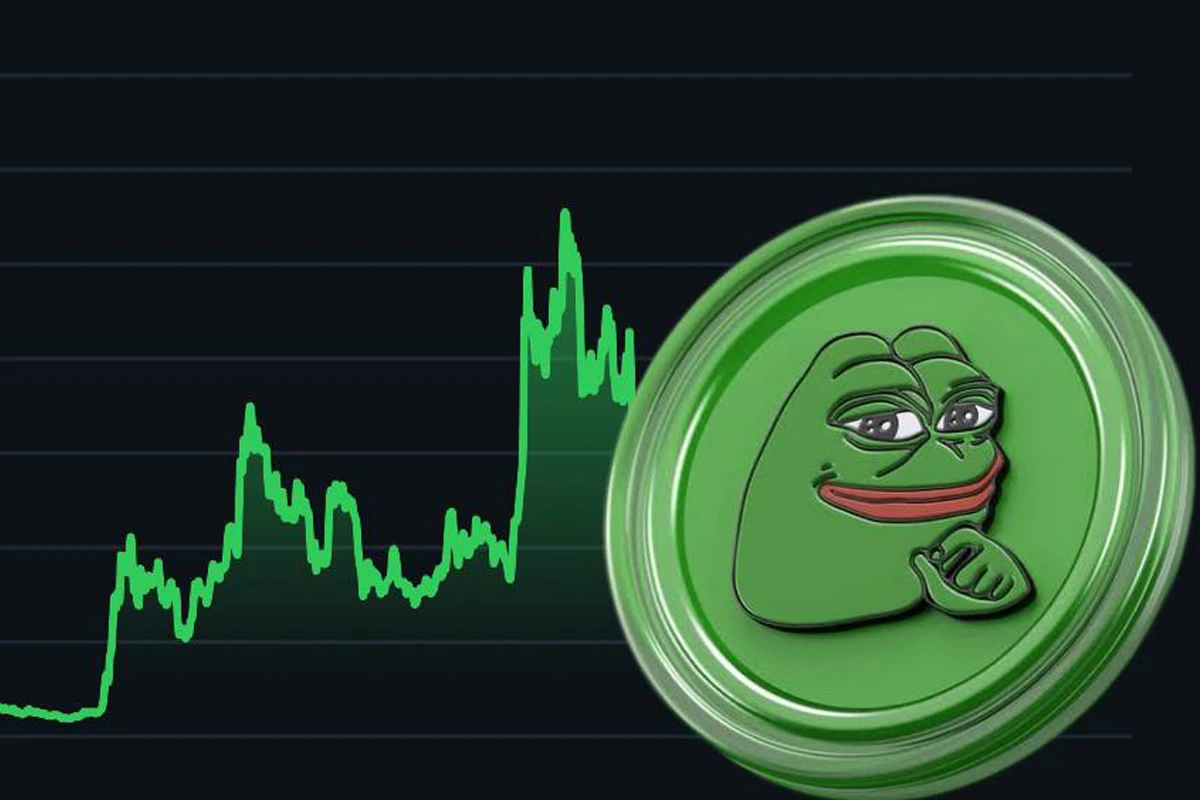
The 4chan Meme That Hit an $11 Billion Market Cap: $PEPE
Before $PEPE became a multibillion dollar token, it was a cartoon drawn by artist Matt Furie in 2005 for his comic Boy’s Club. In the comic, Pepe wasn’t political, controversial, or even a meme. He was relaxed, expressive, and weird in the exact way early internet humor loved. And so, Pepe became the perfect character for reaction faces inside of internet forums.

Pepe went viral long before bitcoin even existed. First on MySpace and 4chan, then Tumblr, then Reddit. Over time, the meme evolved and fractured into thousands of sub-memes. By the mid 2010s, Pepe had been adopted by almost every corner of the internet, including some that even the original creator strongly disapproved of.
Through this, Pepe became the mascot of raw, unfiltered internet culture. Emotional, absurd, and endlessly remixable.

By the time $PEPE began as a token, the frog wasn’t just a meme; it was a digital persona with nearly twenty years of shared meaning behind it.
Upon launch in April 2023, nobody expected it to matter. Many had created Pepe-themed coins before, so the idea that one could rise above the noise felt impossible. But within three weeks, Pepe did the impossible.
$PEPE had no mission and no technological pitch. There was no presale, no roadmap, no utility, no VC backing. An anonymous team released it, held 6.9% in team tokens, renounced the contract, locked liquidity, and interacted with the community only through occasional memes on the official Twitter. No AMAs, no leadership persona, no community funnel. Just a token and an iconic meme.
But that emptiness became an advantage.
Pepe wasn’t something crypto needed explained. Everyone already knew him. He represented nostalgia and the strange sincerity of an old internet culture. So when PEPE appeared on Ethereum, traders understood instantly; this one could be massive.
And then, everything ignited.

Ethereum gas fees spiked 300-500% because so many people were rushing in at once. Screenshots of tiny buys turning into six-figure positions swept across Crypto Twitter. For several days in April and May, PEPE wasn’t just the top meme coin, it was the gravitational center of the entire market.
Then Binance listed it, and volatility went absolutely nuclear. PEPE shot into the top 50 coins by market cap. Billions in volume poured in. This moment marked the day memecoin culture truly crossed into mainstream market psychology.
And the funniest part?
A couple of months after launch, I messaged one of the developers, LordKek, directly on Telegram. I asked how he pulled off one of the most successful memecoins in crypto history. His entire reply was two words: “God’s plan.” And honestly, there wasn’t a better explanation. The team didn’t guide the community or run marketing. They released a token and let God take the wheel.
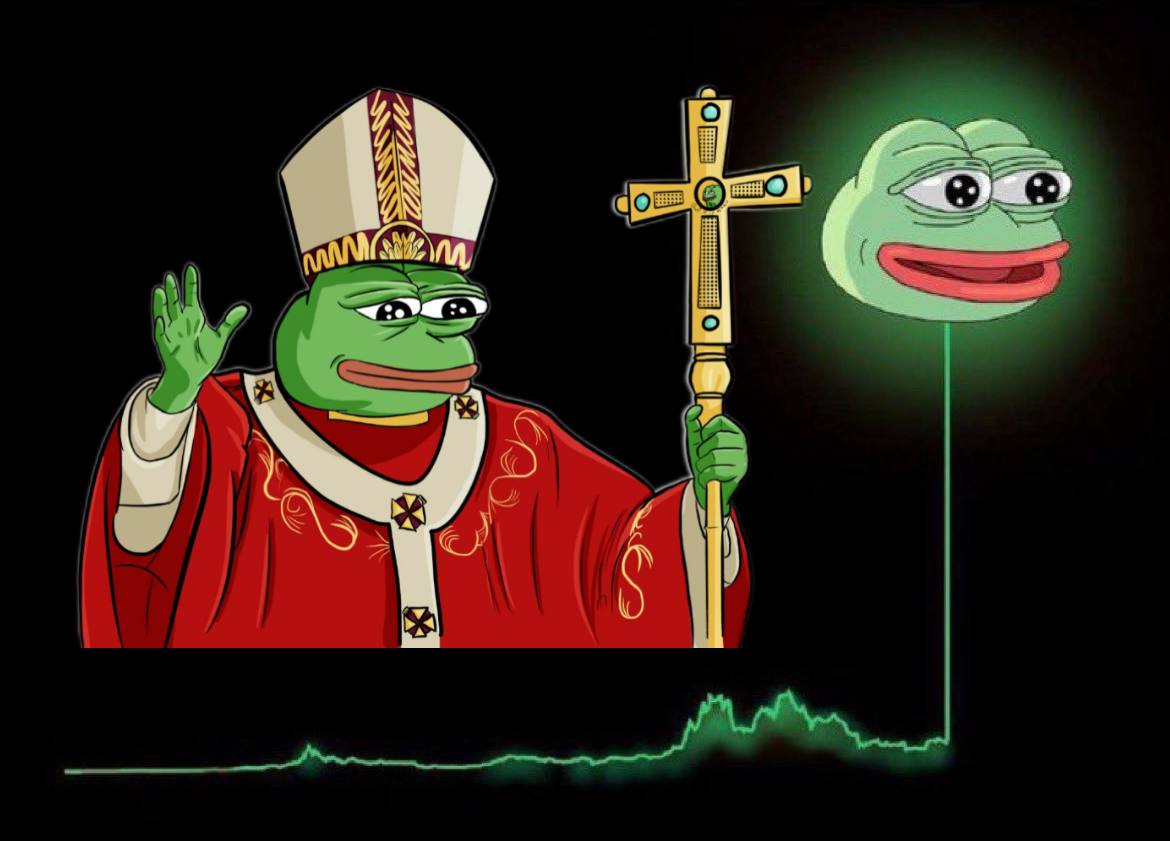
Even after the team disputes and multi-sig drama (where three members of the team went rogue and withdrew roughly $15 million worth of team tokens), PEPE still didn’t die. The meme regenerated again and again.
By late 2024 and into 2025, PEPE did the unthinkable: it broke past its original peak and roared to fresh all time highs, hitting an $11 billion market cap. This cemented PEPE as one of the greatest memecoins of all time, beside DOGE and SHIB.
Today PEPE still stands as one of crypto’s most enduring memecoins. It may rise again, fall, or reinvent itself, but it won’t disappear. Not because of any upcoming utility, but because people don’t abandon icons that they grew up with. PEPE is built on nearly two decades of internet memory and in this market, that carries more weight than any roadmap ever written.