
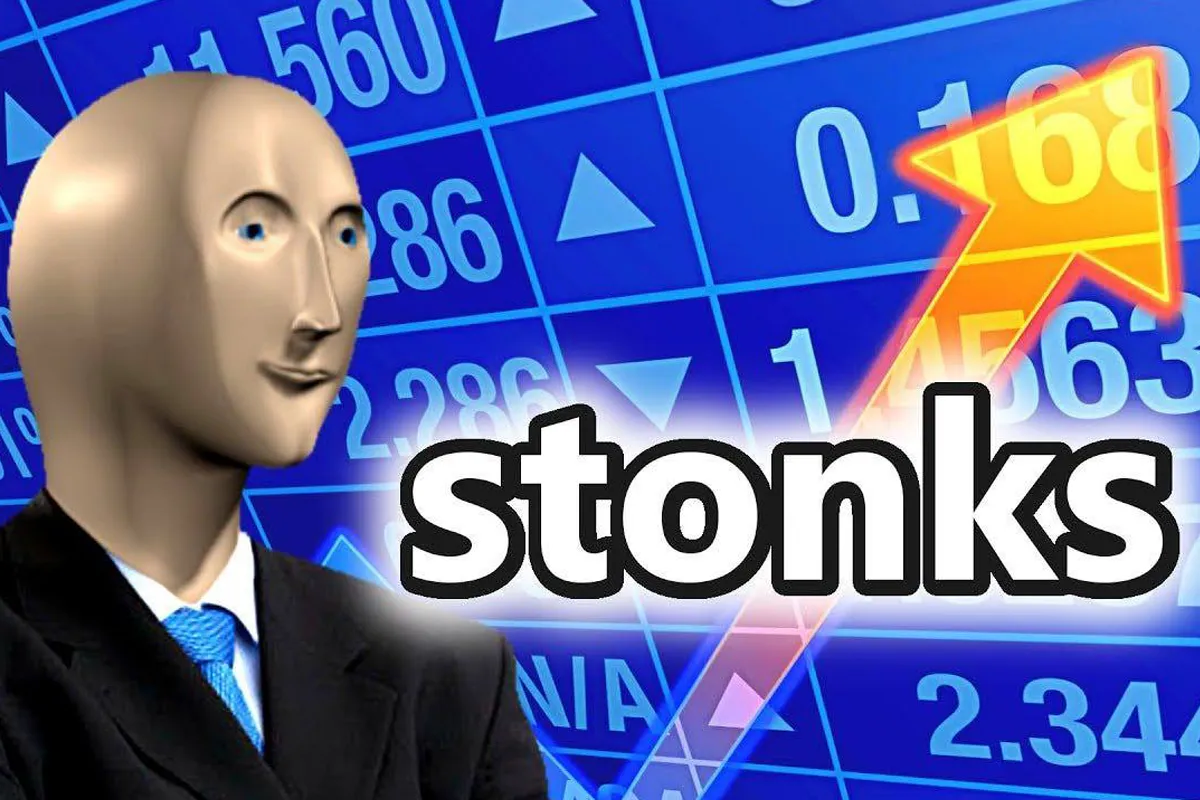
The Stock Market Meme That Became a Launchpad: $STONK
Before $STONK became a token, it was a joke about people who had absolutely no idea what they were doing with money.
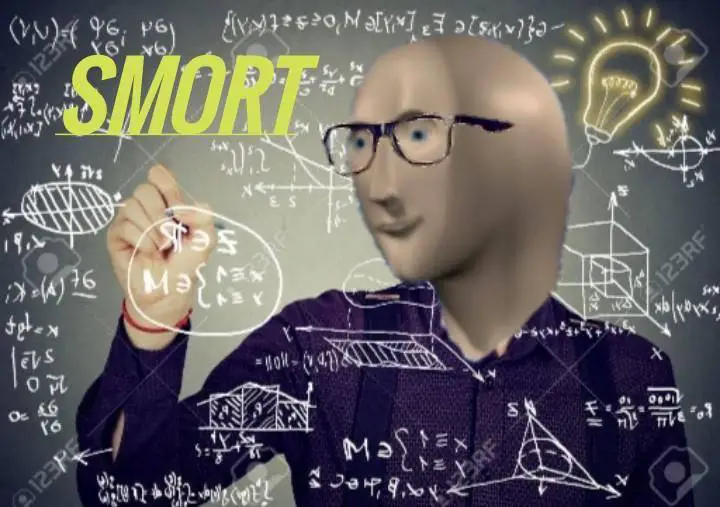
A low-poly businessman. A stock market background. An arrow pointing up. And one word, deliberately misspelled: “Stonks.”
He became a mascot for financial confidence completely detached from financial understanding. And naturally, crypto was the perfect place for it.
But when StonkFun appeared on Solana, the meme had something unusually literal behind it.
A launchpad where people could create memecoins paired against tokenized stocks.
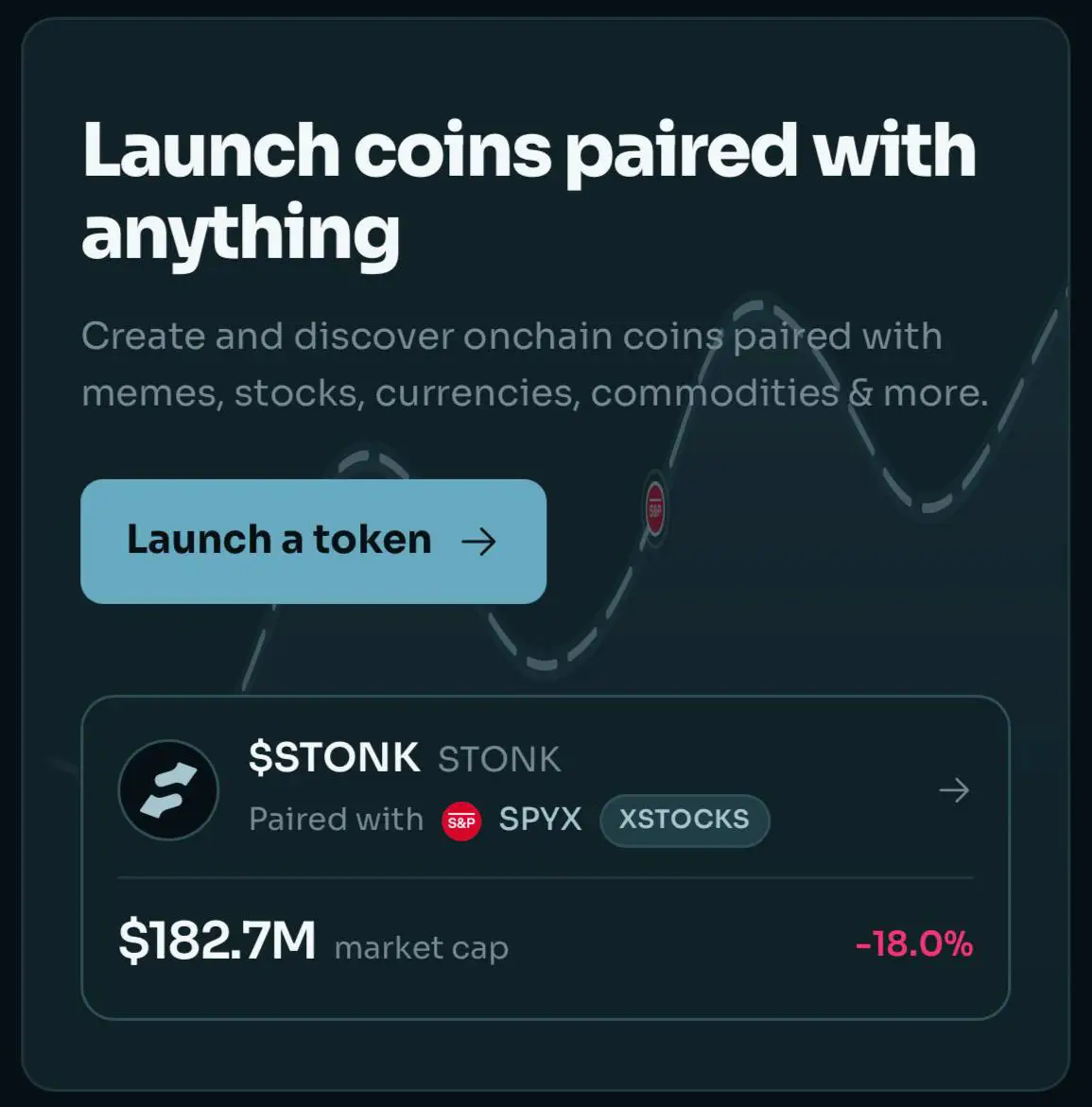
The idea was simple enough to explain, and strange enough to get attention.
Most Solana memecoins begin trading against SOL. StonkFun lets creators choose the asset on the other side of the trade. That could be a tokenized stock, an ETF, another cryptocurrency, or even another coin launched on the platform. Its own token, $STONK, trades in its flagship pool against SPYx, a tokenized product tracking the SPDR S&P 500 ETF.
The internet’s joke about the stock market had become a way to launch memes against the stock market.
There is a distinction worth making, though. Buying STONK doesn’t mean buying shares. In its flagship pool, you’re trading against SPYx, a token designed to track an S&P 500 ETF. The stock market provides a reference point, but STONK holders have no ownership of the underlying shares.
But culturally, the connection was immediate.
STONK’s first recorded pool dates to July 23, 2026. By late August, it was still trading at a fraction of the valuation it would reach just weeks later.
Then the project started attracting attention from the ecosystem around it.
On September 4 UTC, Solana’s official X account replied to a StonkFun post with six words:
“We stand behind Stonk Tokens.”
It was a social-media reply, but in a market that spends all day watching for signals, people noticed.
On September 5, StonkFun announced that new deployments would use Raydium’s LaunchLab. By September 6, STONK was up more than 250% over 24 hours, with a market cap of roughly $140 million and around $135 million in daily trading volume.
Suddenly, the word that started as a meme had nine figures attached to it.
And naturally, someone brought doughnuts into it.
But the stock market connection was only part of the appeal. Behind the price movement was a mechanism traders could follow.
StonkFun says approximately 60% of its platform revenue goes toward buying STONK on the open market and burning it. The remainder is retained. When fees are collected in STONK itself, those tokens can be burned directly without a purchase.
People trade. The platform earns fees. A share of that revenue removes STONK from circulation.
By September 12, the independent tracker stonk.fyi was reporting roughly 14.8% of the original supply burned. Its dashboard also links burn activity to transaction records.
The token had a meme people recognised and a revenue mechanism that gave them something else to watch.
Then came the paper-bag cat.
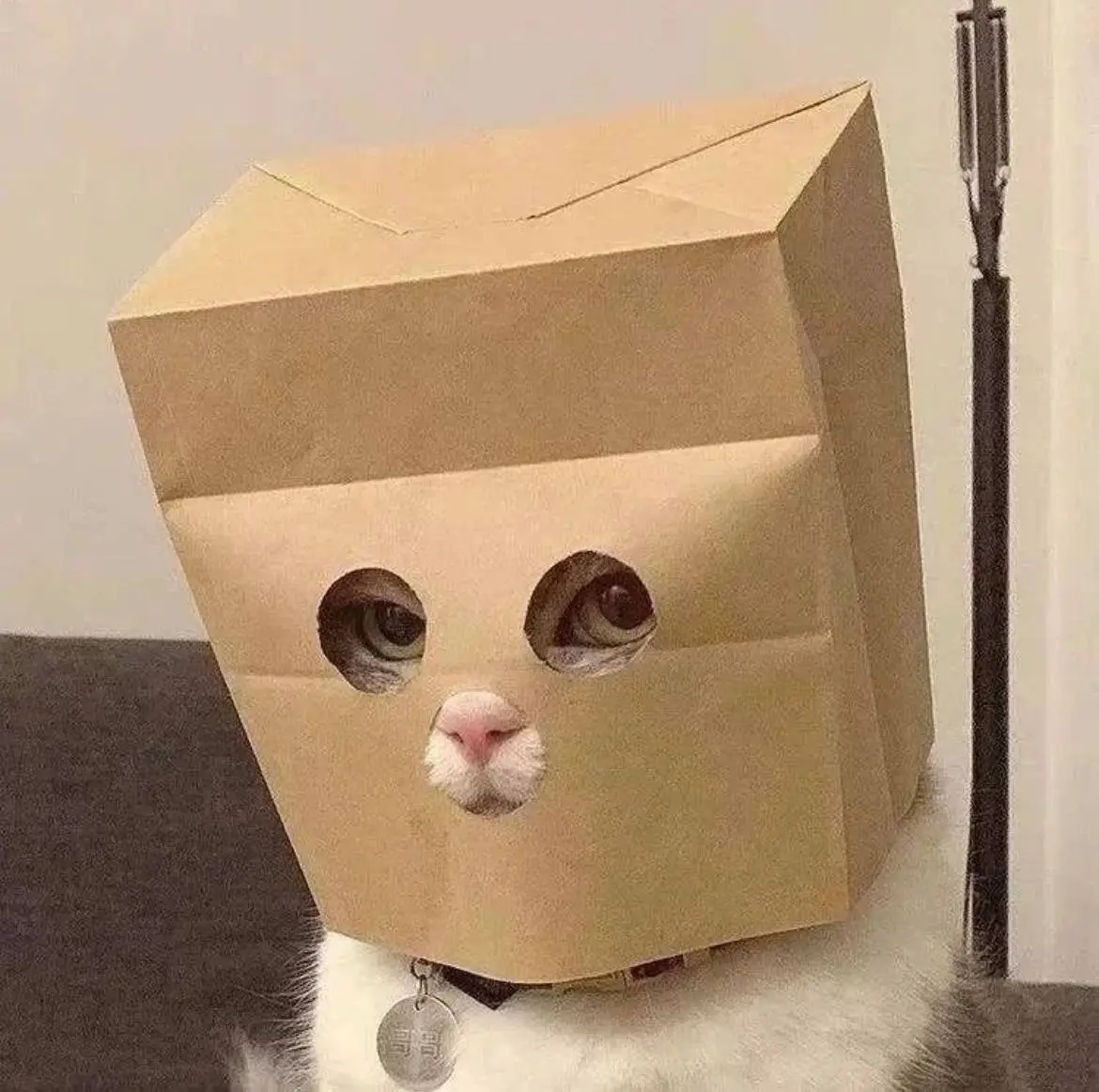
Anonymous Cat, $ZCAT, became one of StonkFun’s most visible launches, built around Zcash-themed rewards for holders. The platform reported that distributions had passed $1 million in September.
It was exactly the kind of thing the market understands instinctively. A ridiculous character, a recognisable narrative, and payouts arriving while people trade.
ZCAT showed what the platform could attract. Keeping that activity alive would be the harder part.
Because every part of this model depends on people continuing to show up.
StonkFun has built a mechanism for capturing attention and turning some of the resulting revenue into token burns. Now it has to keep earning that attention.
The “stonks” meme was always about the gap between confidence and understanding.
StonkFun turned that gap into a product.
And for a businessman who spent years staring at an arrow, that is a fairly substantial career progression.